6 Event Venue Contract Red Flags (And How to Avoid Them)
By Kastina / December 2, 2025

When planning any major event, choosing the right event venue is one of the biggest — and most expensive — decisions you’ll make. Your venue sets the tone for the celebration, determines your date, layout, vendor flexibility, and ultimately affects your guest experience.
But here’s the reality: many venues, especially smaller, family-run ones, don’t always follow standard industry practices. Their contracts can include clauses and red flags that may cost you time, money, or creative control if you don’t know what to watch for.
As both a wedding and event planner and the owner of a venue consulting and management firm
(Bigger Picture Solutions), I review event venue contracts every week. I know the common pitfalls, what’s standard, and what constitutes a venue contract red flag. The good news? You don’t have to hire me for full planning – I offer standalone contract review and consulting for anyone booking a venue, so you can sign confidently.
-
Contact us if you’d like an expert eye on your venue contract before you commit!
1. Rental Timing: How Long Do You Really Have the Venue?
It’s easy to assume your event venue is “yours for the day” — but that’s rarely the case. Most venue contracts specify a specific rental window, and any extra hours can cost hundreds or even thousands of dollars. Understanding your rental timing upfront is one of the most important ways to avoid red flags in venue contracts.
What’s Standard
- 10–12 hour rental period
- Access beginning around 10AM–Noon
- Last Call 20-30mins before the last song
- Vendors have 1 hour to load out
What’s a Red Flag
- No access until just a few hours before the ceremony (e.g., 3PM start for a 6PM ceremony)
- Extra charge for vendor access earlier than guest arrival time
- Overtime fees not disclosed (some venues charge $500–$1,000/hour!)
Pro Tip: One of the biggest surprises I see is when clients rent a venue’s “bridal suite” or dressing room – only to discover they can’t get in when hair and makeup start (often 8AM). If access doesn’t begin until 10AM or Noon, couples often feel pressured to pay for extra hours to keep the day on schedule
Hidden Costs Alert: Renting a venue dressing room often comes with a catch – you may be locked into the venue’s catering or liquor license, which can add thousands to your final bill. A smart workaround? Book a hotel suite for your getting-ready space. Upgrade your room – even the penthouse – and it might still be more cost-effective than paying for extra hours and being tied to the venue’s food and beverage rules. You can provide breakfast, drinks, and snacks on your own terms – and enjoy the larger suite later that night!
-
Always confirm exactly when your team can enter the building, and consider adding a note in your contract to ensure early access if needed.
2. Vendor Requirements: Can You Bring Your Own Dream Team?
Some event venues require you to use their “preferred vendors.” While this can be for quality control, other times it’s profit-driven. These requirements are a common venue contract red flag that can cost you flexibility – and money – if you don’t catch them early.
What’s Standard
- A “preferred vendor list” of recommended pros (but flexibility to bring in your own)
- Requirement that vendors are licensed or insured, depending on service
What’s a Red Flag
- Exclusive vendor lists that allow no outside options
- Extra “buyout fees” to use your own DJ, florist, etc. (sometimes $500–$5,000!)
- Preferred vendors charging significantly more than market rate
Pro Tip: In Minnesota and the broader Midwest, reputable vendors rarely take commissions from each other. If a venue admits they receive a percentage from vendors, that’s a red flag – it means recommendations are profit-driven rather than based on quality. The best vendors never “pay to play” because their work speaks for itself.
-
The best vendors never “pay to play” because they don’t need to.

3. Surprise or Hidden Fees: What Will You Really Pay?
Rental rates for an event venue often don’t include everything, and hidden fees can add up quickly. Overlooking these details is one of the most common venue contract red flags, especially in smaller or family-run venues.
What’s Standard
- Security deposit
- Service charge (10–20%) if the venue provides food or beverage
- Basic cleaning fee ($250–$500)
- Corkage or cake-cutting fees if bringing your own items
- Security guard fee
- Required to purchase liability insurance ($100-$200)
What’s a Red Flag
- “Administrative fees” (10–15%) with no explanation
- Upcharges for basic items like tables, chairs, or trash removal
- Last-minute “required gratuities” that don’t go to staff
- Parking or valet fees not disclosed upfront
- Sales tax charged on rental fees (not allowed in Minnesota)
- “No overnight parking” policies: a serious safety concern, especially when alcohol is served. Guests should never feel forced to drive home intoxicated because the venue won’t allow overnight parking or shuttle solutions.
Pro Tip (Service Charges): A service charge is only standard if the venue provides food or beverage. You should never be charged a service fee on the rental of the space itself – only on food and beverage costs. If a venue tries to add a service charge to your space rental, that’s a red flag.
Pro Tip (Utilities & Basics): Your venue rental fee should cover the cost of the building, including standard utilities like electricity, water, and basic trash removal. Extra charges for trash pickup, cleaning, or utilities are often a red flag — smaller venues sometimes invent these fees because they aren’t familiar with industry norms. Always confirm what’s included in the rental fee before signing.
Pro Tip (Parking): Always ask about parking policies, including overnight options, to ensure safe guest logistics. If restrictions exist, plan for shuttles or off-site lodging to protect your guests. Safety always comes first.
-
Contact us if you’d like us to review a venue contract!

4. Cancellation and Postponement: What Happens If Plans Change?
Life happens — from global events to personal emergencies – so it’s critical to understand your event venue contract cancellation and postponement policies. Overlooking this is a common venue contract red flag that can put your budget and peace of mind at risk.
What’s Standard
- Non-refundable deposit (typically 25–50% of total)
- Postponement option for a fee or credit
- Force majeure clause for weather or emergencies
What’s a Red Flag
- No refunds under any circumstances — even if they cancel
- Postponement treated as a brand-new booking (with a new deposit)
- No force majeure clause, or one that only protects the venue
- Strict cancellation terms even for emergencies
Pro Tip: Many venues updated their cancellation and postponement policies after COVID-19, but not all have adapted to today’s realities. Carefully review the force majeure clause to see exactly what situations are covered. If you’re unsure, it’s worth having an expert in event venue contracts review it for you.
5. Insurance and Liability: Who’s Responsible if Something Goes Wrong?
One of the biggest venue contract red flags couples and event hosts overlook is insurance and liability coverage. Many small or family-run venues assume you’ll take care of everything, but the contract should clearly spell out who is responsible if damage or accidents occur.
What’s Standard
- Requirement for event hosts to provide liability insurance for the day ($1–3 million coverage typical, costs you $100-$200)
- Venue provides basic property insurance for the building itself
- Clear allocation of responsibility for damages, accidents, or injuries
What’s a Red Flag
- No mention of liability insurance requirements
- Venue attempts to shift all liability to you, the host
- Hidden fees for insurance coverage or certificates
- Unclear responsibility for vendor-caused damage
Pro Tip: Even if your venue provides insurance, always confirm what it covers and what it doesn’t. If your contract requires you to purchase insurance, make sure the limits are reasonable and clearly stated. This protects you, your vendors, and your guests.
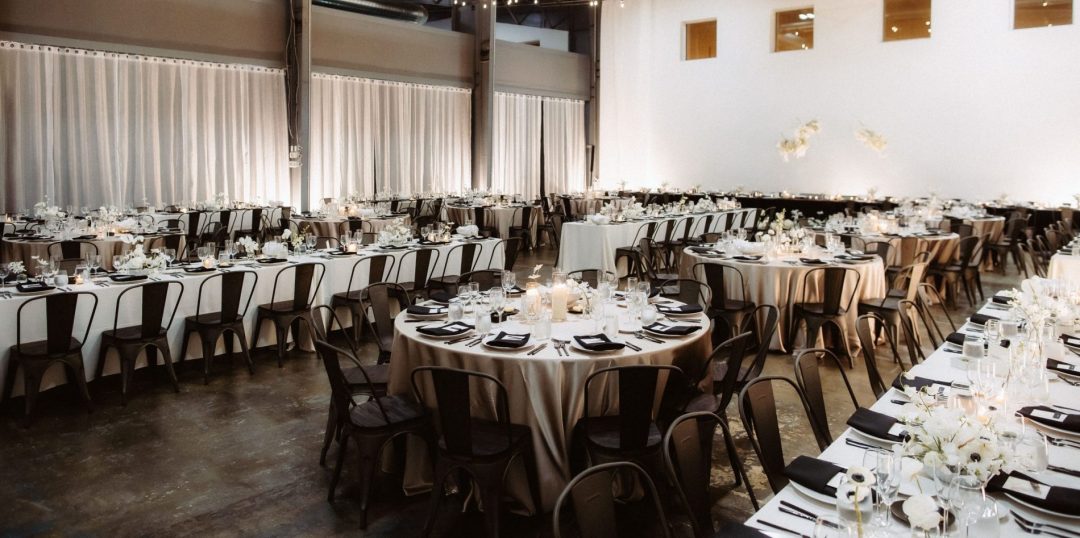
6. Décor & Use Restrictions: Will You Have Creative Control?
Many event venue contracts include clauses that limit how you can decorate or use the space. Overlooking these restrictions is a common venue contract red flag – especially if you’re planning a highly personalized or stylized event.
What’s Standard
- No open flames or sparklers (for safety)
- No confetti or glitter (for cleanup reasons)
- Restrictions on wall or ceiling installations
- Noise ordinances after a certain hour
What’s a Red Flag
- No string lights, hanging items, or even moving furniture
- Extra charges for décor setup or takedown
- Required use of in-house décor or furniture
- No real list of restrictions provided until after signing
Pro Tip: Always request the venue’s full list of decor and use restrictions before booking. If your vision includes specialty lighting, floral installations, or unique furniture arrangements, you want to ensure you’re allowed to execute it.
Final Thoughts: Don’t Sign a Venue Contract Without Expert Eyes
Contracts are meant to protect both parties – but many event venue contracts are structured to protect the venue first. Hidden fees, restrictive clauses, and unclear liability terms are common venue contract red flags that can cost you money, stress, or creative control if overlooked.
As a wedding and event planner and the owner of a venue consulting and management firm, Bigger Picture Solutions, I review venue contracts weekly. I know what’s standard, what’s unusual, and what you should push back on.
The best part? You don’t need to hire me for full-service planning to benefit from my expertise. I offer standalone venue consulting and contract review, helping clients catch red flags before signing – whether it’s a wedding, bar/bat mitzvah, or corporate event.
Actionable Tip: If you’re reviewing a venue contract, reach out early. Having an expert look over the terms can save you thousands, prevent surprises, and ensure your event goes exactly as planned.
Let’s Talk
Looking for a venue or need help reviewing a contract? Reach out to us at here — or follow us on Instagram for more planning tips and inspiration.